
Uppilliappan, also known as the older brother of Tirumala Balaji, has a temple close to Kumbhakonam. I decided to visit it one evening. As an apt conclusion to my day, Mammi had asked me to come over on my way back to listen to her student’s class on Ashtapaadi. Ashtapaadi is the Tamil version of the recitation of the Geeta Govindam (GG). A devotional poem written by the Odishan poet Jayadeva, GG is a story about Krishna’s love and separation from his lover Radha. My professor at the University of Hawaii recently published a ClaySanskrit edition of the translation, a much needed one. Prof.Lee Siegel’s exposure to Sanskrit erotic literature and Vaishnava texts made him an ideal choice for translating this piece. Needless to say, I was quite excited to join Mammi’s class and hear the singing of the GG in verse format, along one other student and her six year old cousin. While Mammi began to sing, Hema her student followed suit. As the song reverberated through her home, I realized how much I could pick up from my three-years of Sanskrit training. Written in simple Sanskrit, this edition was an abridged piece published by the new Vishnu temple in Govindapuram (near Kumbhakonam). Hema’s cousin sister joined in too.
After the class Mammi asked me to come over for lessons the next afternoon as well. Hema was going to join in. When I returned the next day, Mammi had a text in Sanskrit for me too so that I could join in. It was an honor to be able to learn from her and I will carry that memory with me forever. When we finished that day Mammi decided to tell me a little story about her own recitation of the GG during her visit to the Jagannath Rathyatra. My own visit to Odisha had provoked this conversation. Mammi then proceeded to tell me two stories about devotion:
In the olden times, there was a devoted Vaishnavite who had spent his days going to temple every evening. He used to pray to Vishnu and donated a lot of money to the temple as well. 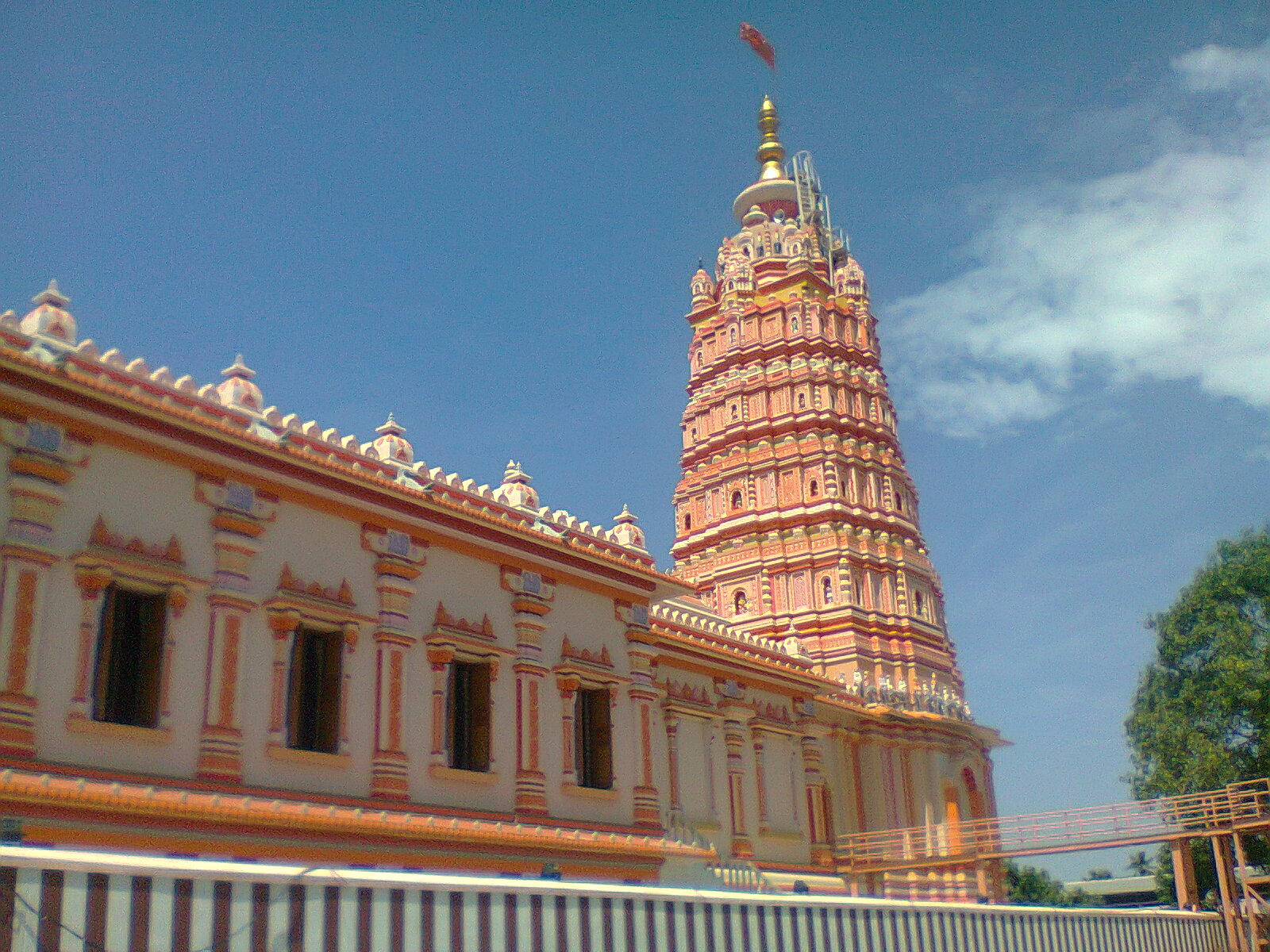 Much later in his adult life after performing a lot of puja this devotee was finally able to behold Krishna. When he did, he asked the lord, “Why don’t you ever come to see me? I wait for you every evening and I have selflessly devoted to your cause and yet you don’t come to see me.” To that request Krishna responded, “Oh foolish devotee, I came to you and yet you didn’t recognize me. I came to you three times and you paid no heed to me. First I came as a dog and you chased me away. Next I came as a cow and you shoved me aside. Lastly I came as a beggar and you shunned me. It is not I who didn’t come to see you; it is you who chose not to see me!”
Mammi was deeply moved by this narration. She then continued to tell me her own story. As we had recognized in class that afternoon, every major verse of the GG ended with a benediction to Krishna and Jayadeva, citing him as the eternal devotional poet.
Late into the evening on the eve of the Rathyatra Mammi was standing beside the inner sanctum singing her Ashtapaadi. The verses of the GG are engraved on the walls surrounding the shrine of the Odishan temple and Mammi was following along with them. However since she was only familiar with the Tamil version she had continued to add her verses on the benediction to Jayadeva at the very end of each stanza, even though it was not in the inscriptions. However as she reached the last verse, she decided to follow the engraved verses and stopped where the inscriptions did. Suddenly she heard a voice in Hindi command her, “Sing the last stanza! You missed the one to Jayadeva!” As she turned to see where the voice came from, she noticed a beggar mendicant sitting beside the wall watching her motioning her to continue. Mammi said, “It was then that I realized it was no beggar but Krishna himself who was commanding me to finish the appropriate conclusion to the song. Even now when I think of that moment, my hair stands up. I know what I experienced that day was different and the Lord had come in the form of the beggar to see me.” While Mamma candidly refuted her theory, Mammi seemed tightlipped and convinced.
There are experiences such as Mammi’s encounter that evening in the Jagannath temple, which validate one’s belief in the divine. Hinduism per se doesn’t require an open or a vocal profession of one’s faith. Most Indian’s will tell you that you are born a Hindu because your parents are Hindu. However, stories like these do signal to a type of faith that exists in Hinduism too, through experiencing something out of the ordinary and validating one’s existence in relation to the divine.
 bommalāttum