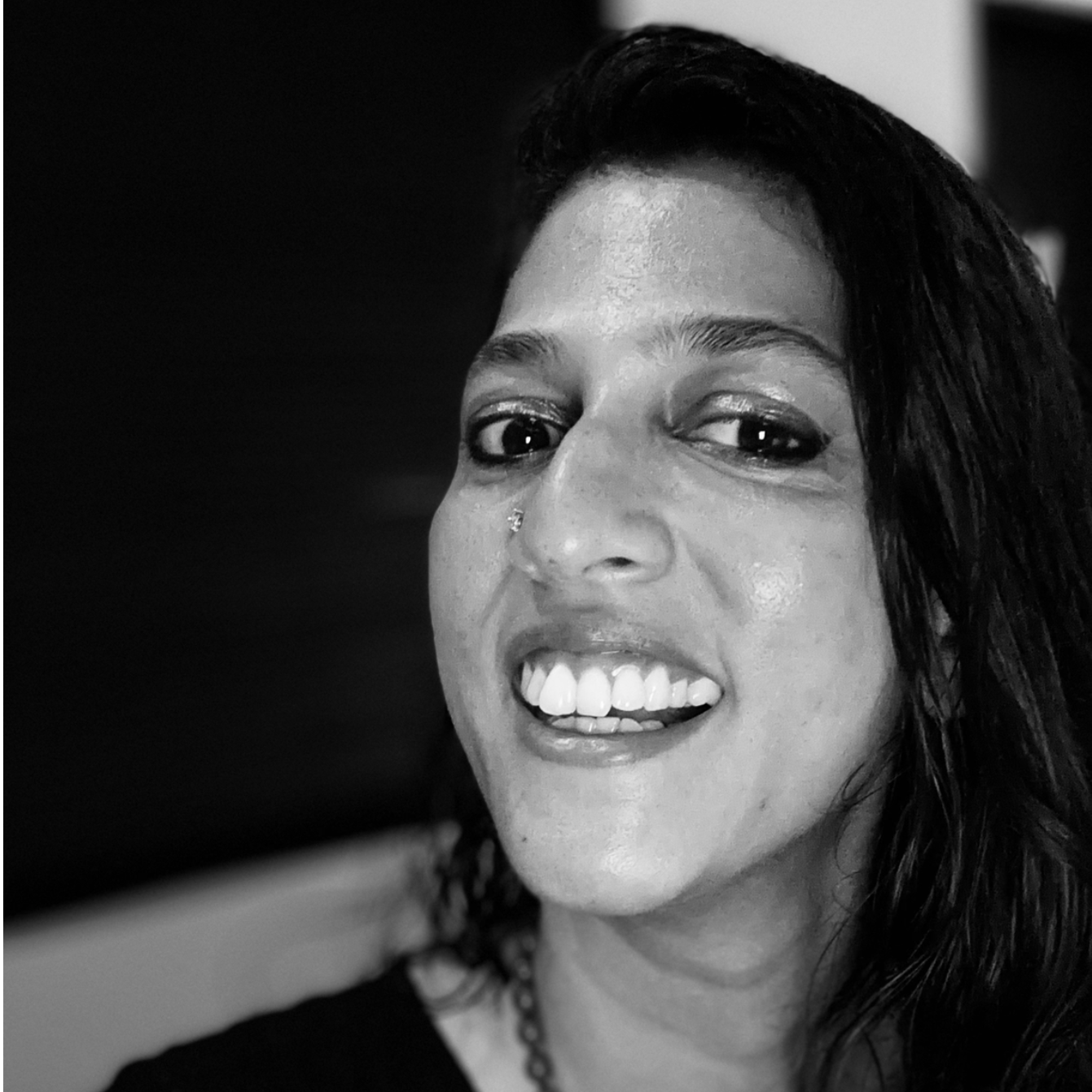
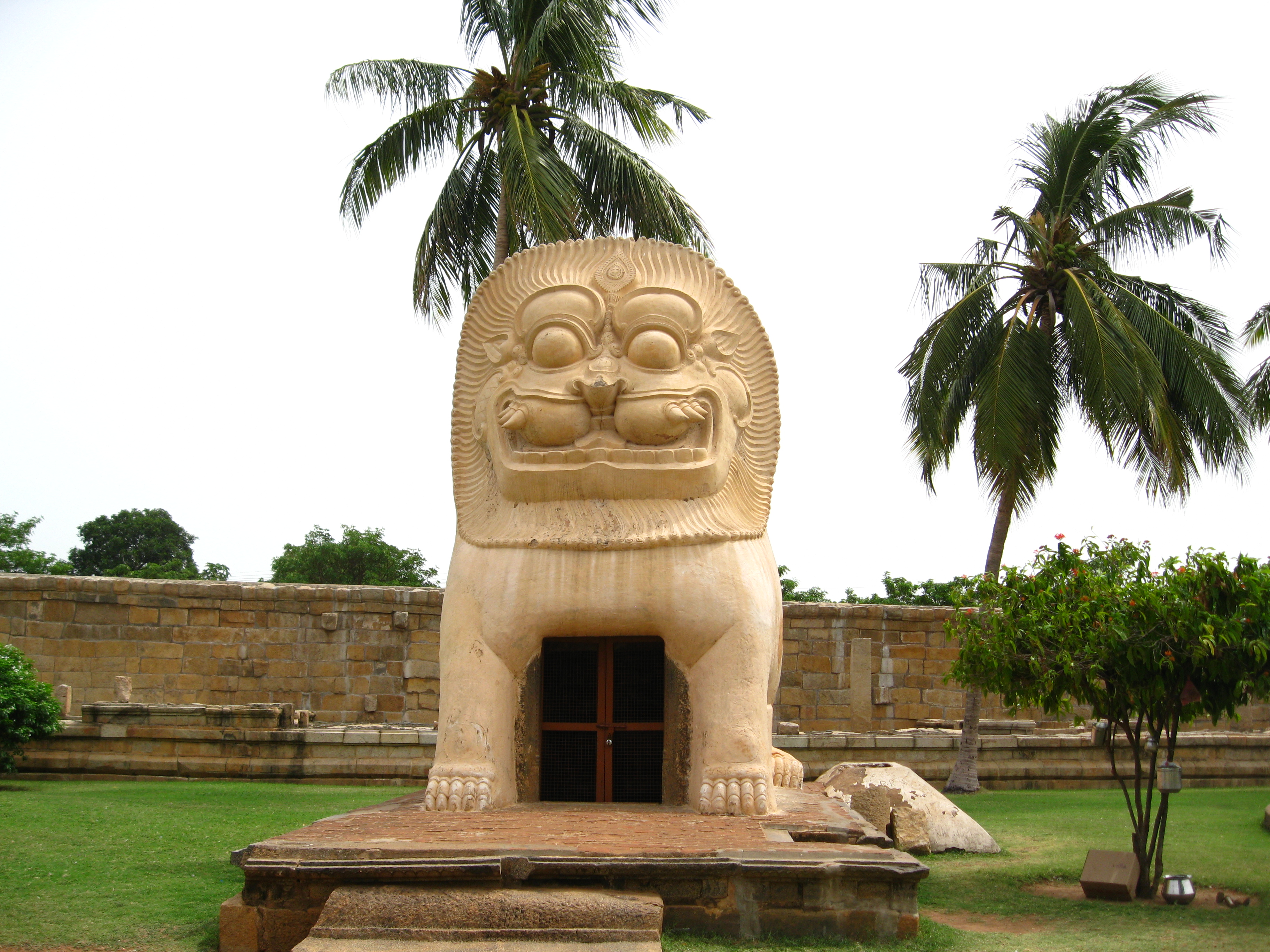
This trip I have had the opportunity to see all three generations of colossal constructions by the Cholas. The oldest is the Brihadeeshwara Thanjvaur temple (Raja Raja I –9- 10th Century) and the next is the Gangakondacholapuram (GKC) temple (Rajendra I Chola- 10-11th Century) and the last is the Airateshwara temple (Raja Raja II Chola -11-12th century). The latter two are accessible from Kumbhakonam. For its exquisite architecture and historical importance, both Airateshwara and GKC temples remained fairly empty and silent. 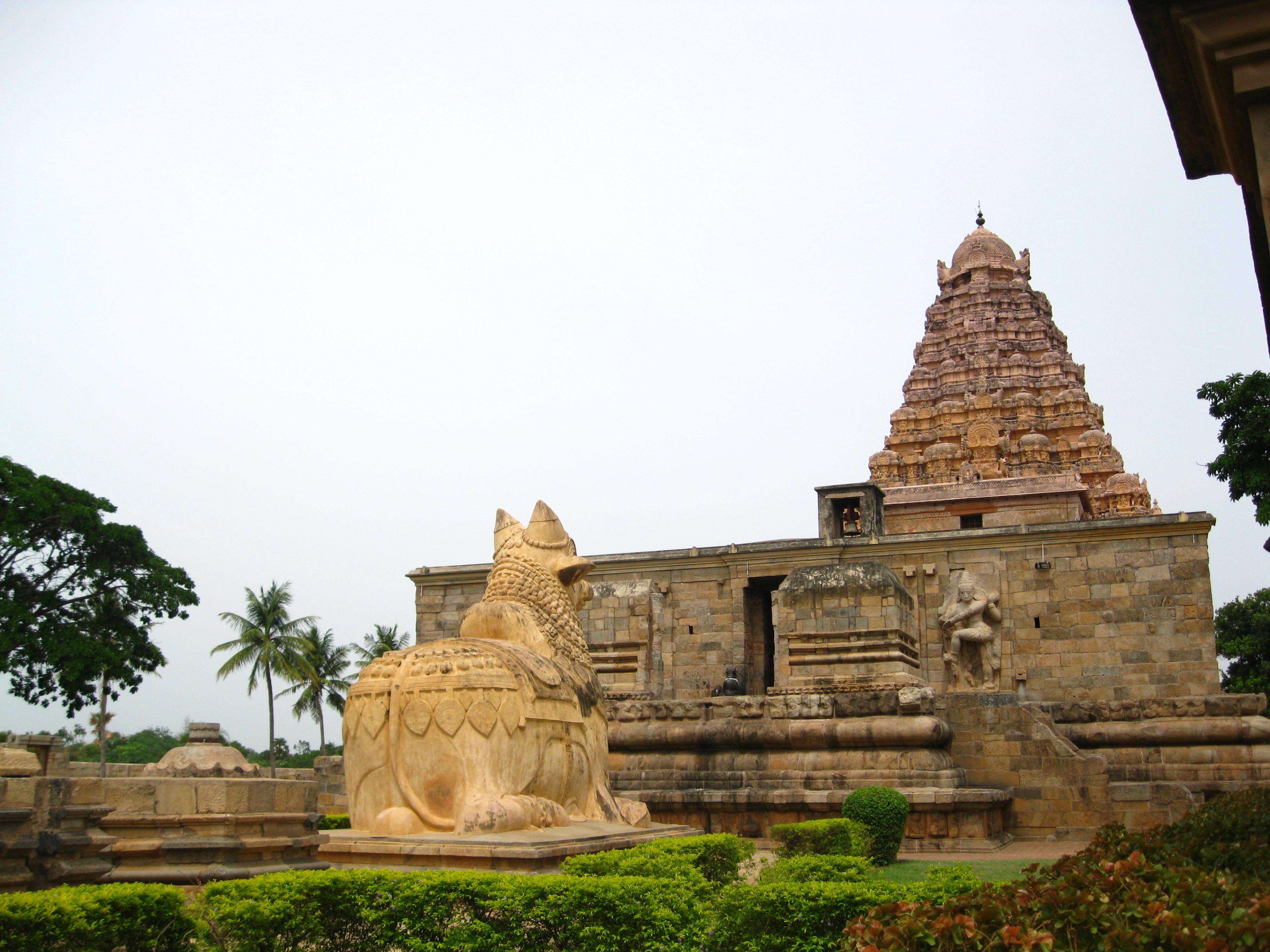 With well maintained gardens, free from the hassle of beggars, guides and touts, or even greedy priests, both were a calm and tranquil space, quite contrary to most popular temples, as I noted in an earlier post where entering the temple is tiring and tiered. The Airateshwara (white elephant) temple is located in the village of Darasuram about 5km from Kumbhakonam. A large imposing temple tower looking exactly like the Brihadeeshwara temple stands out amid the surrounding dusty and hot rice farming village. In Darasuram, also reside silk weaving families, who make sarees in their homes right next door to the temple. Though this temple is landscaped too, the actual area of the temple complex is much smaller than GKC or Brihadeeshwara. GKC had a sprawling complex but the shrines were quite similar. Moreover in all the temples you will find large Nandi statues, at least 25 feet tall facing the inner sanctum. In GKC there is also an added feature, a separate Simhan/ Lion statue about 15 feet tall that I was told used to pour water from the Ganges and Yamuna from its’ lips. Today the lion is dry obviously.
  However throughout GKC’s complex an interesting point to note was the abundance of wells. Containing mostly murky/ algae ridden water, there were four smaller wells and one large well in the complex. I would have to ask around more about the wells.
So why are these two temples less frequented by visitors? The only guests were about five Caucasian travelers and about two Indian families. Contrasting my very chaotic, sweaty, waits in long lines at other popular temples, there was an air of tranquility here, a peaceful silence. I spent an hour just sitting and watching time fly by in both temples and remained undisturbed. 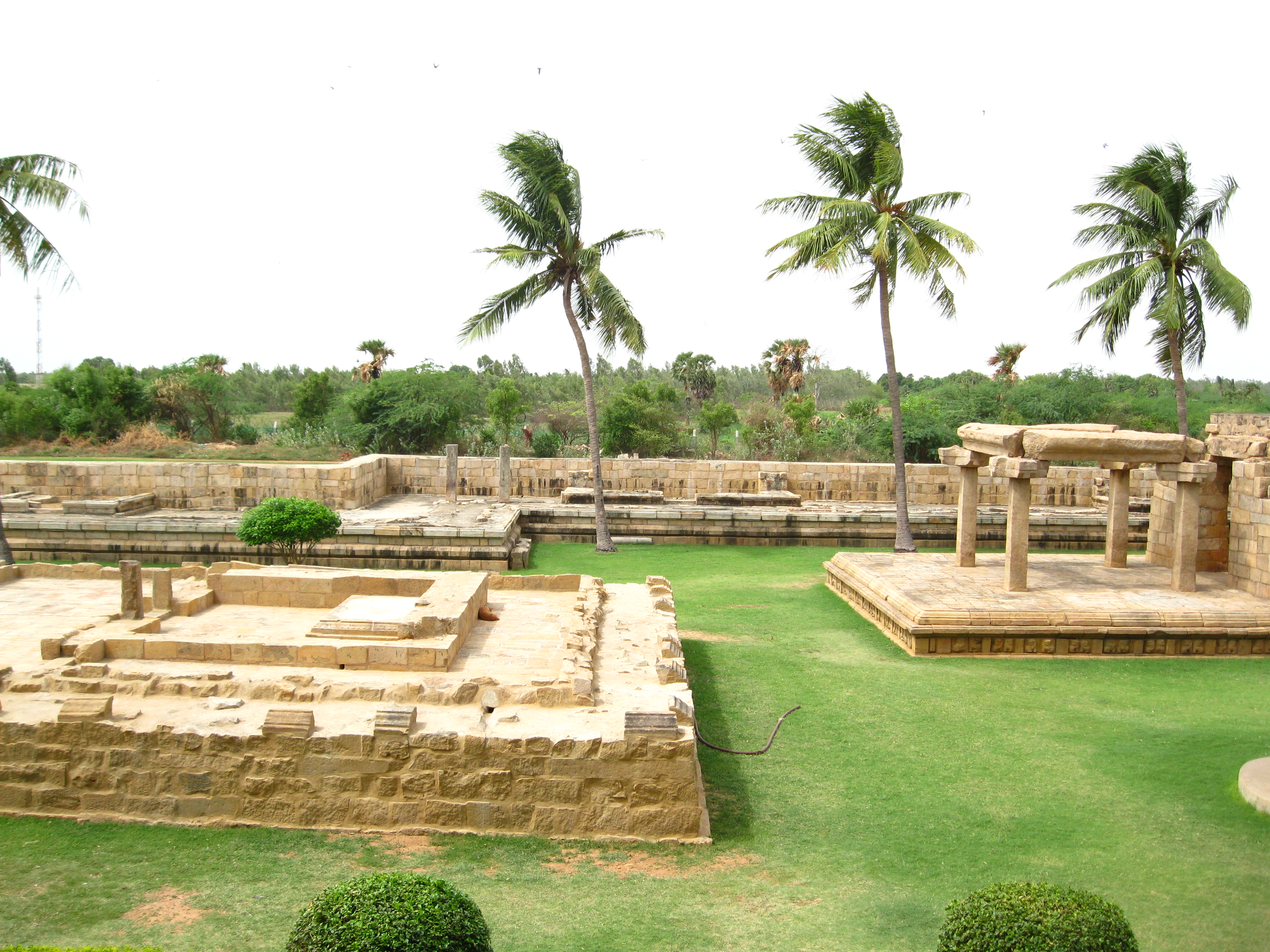 On two annual full moon days the celebrations are rather gala I was told but otherwise guests are sparse. The temples also provide a storehouse of valuable epigraphic information and its’ sculptures still necessitate further study. An avid Tamil research blogger (Poetry in Stone) has commented on the uniqueness of the Shiva images around the temple walls. For those interested Alice Boner and Stella Kramrisch are the two famous art historians who have documented some of the sculptures in all these temples. A thorough study on the GKC and Airateshwara temples have not been conducted in English as more emphasis has been given to the foremost temple of Brihadeeshwara. It would also be quite interesting to juxtapose the quiet, peaceful space of a historical heritage site to the chaotic bustling nature of a regularly visited temple like Tirumala Balaji.
 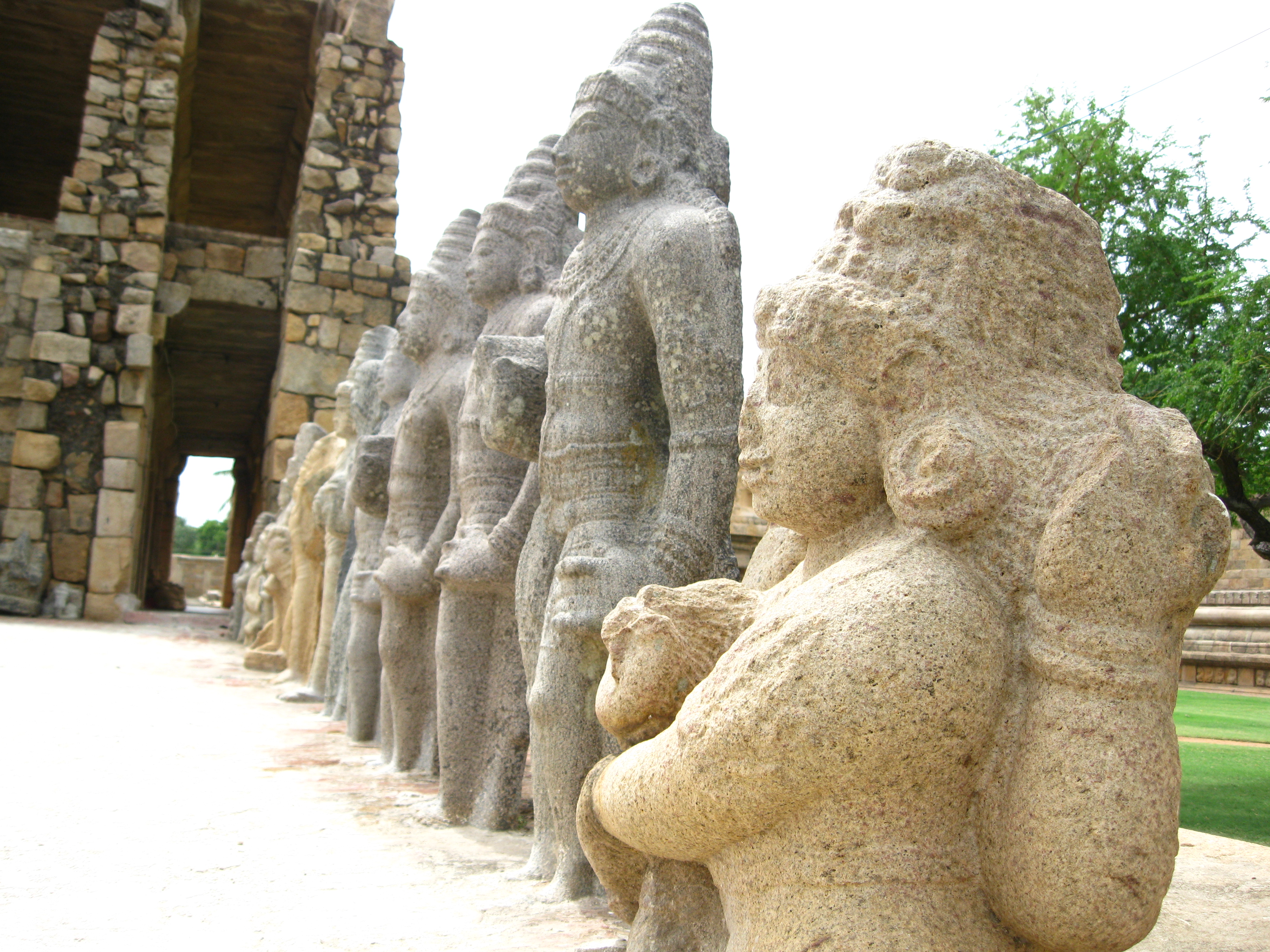 The temples would also be in contrast to their original setting, during the reign of the Cholas, when they were bustling with entertainment and pujas. Converting a temple into a heritage site may have even transformed people’s beliefs on the efficacy of the sacredness of this shrine and that also requires further elucidation.
 bommalāttum