“The poetry of the earth is never dead.” ― John Keats
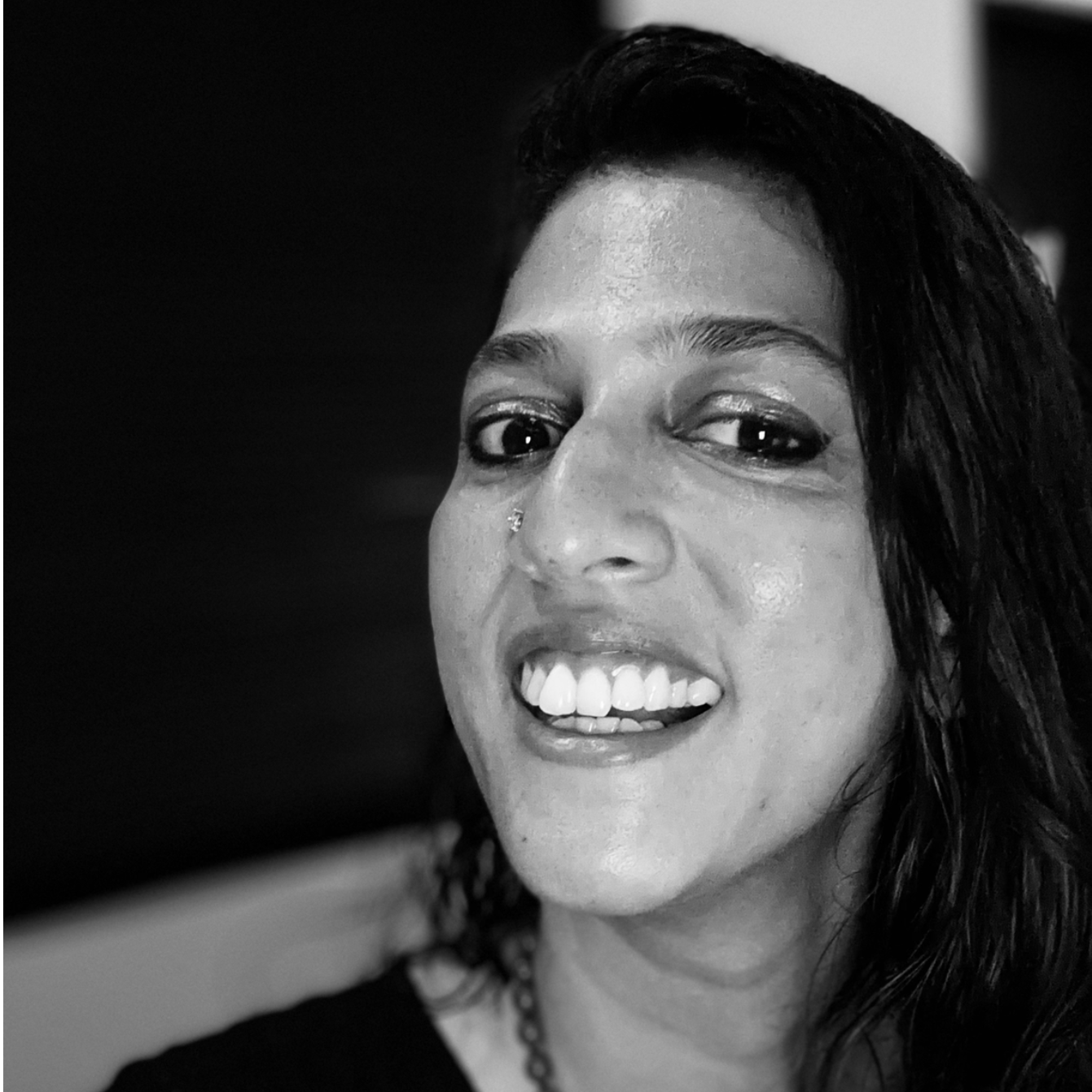
One of the most rewarding parts of my trip to Vizag (Vishakhapatnam) was meeting Dr. Prasanna Sree.  Having sacrificed a lot of her personal time and efforts, Prasanna Ma’am has contributed tremendously to the upliftment and benefit of the tribal populations of India. Locating the need for communication and preservation of tribal languages and cultures, she has developed scripts for 13 different tribal languages. Moreover she is also a poet at heart and has published several volumes of her own as well as writings on tribal women and subaltern literature. She is also from a tribe and the first in her family to be educated in an English medium school. Her unique abilities and her gumption have made her efforts worthwhile but her recognition little. I found her in the English Department, cheerfully teaching women studies to a class of about 6 students while juggling viva exams for her PhD scholars (equivalent of Comps). In my American Women Studies courses there would hardly ever be a male enroller. However in this class of 6 students, 5 were men and only one was a woman. 3 of the students were from neighboring tribal areas. The importance of what is learned at school is directly relevant to their everyday experiences. Perhaps the hardest ordeal for Prof.Prasanna was to describe how women and men need not have gendered roles when the world surrounding these students still frowns upon liberal career-minded women.
 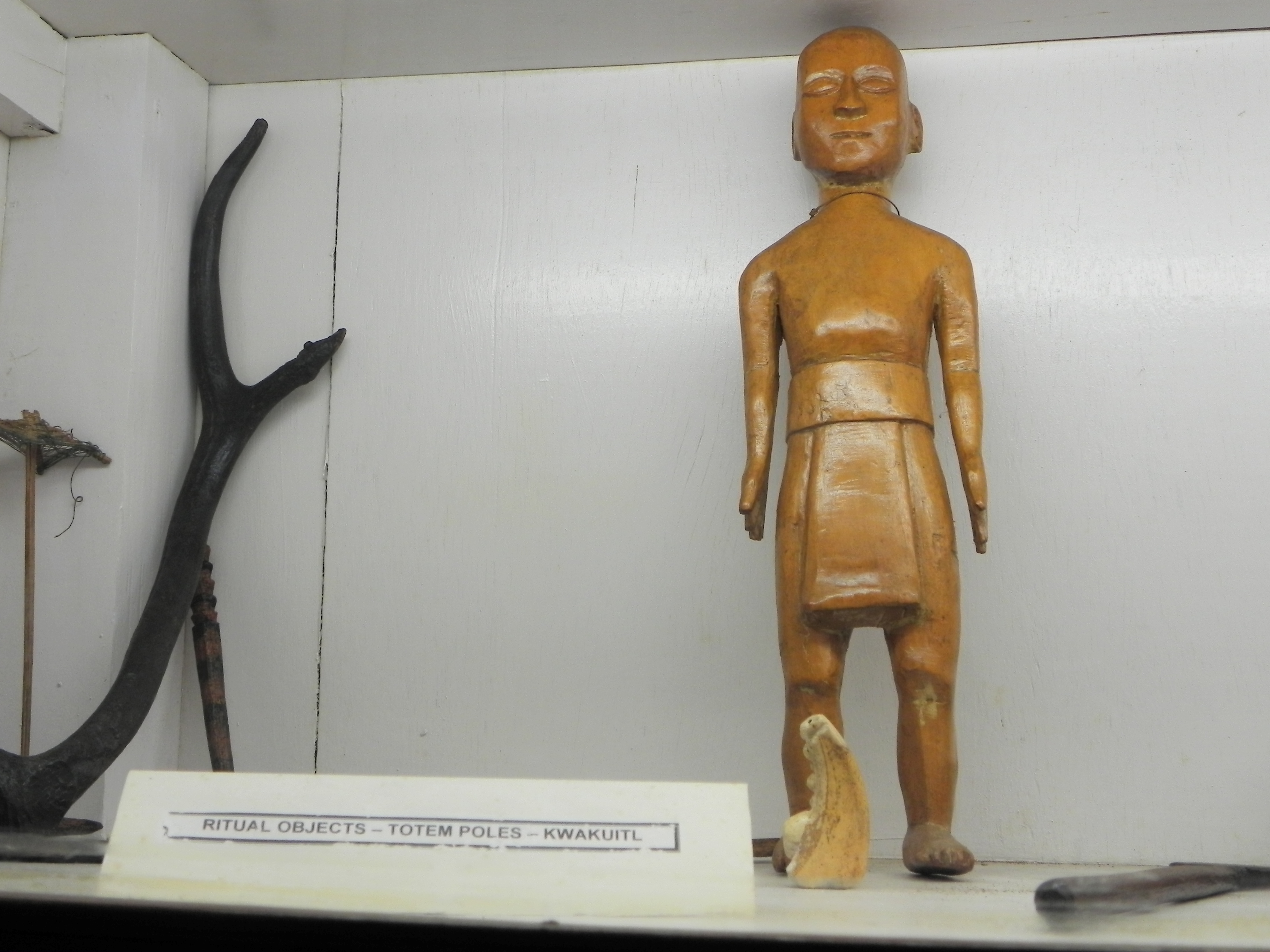 Just meeting her I learned quickly that my project on Bommai Golu/ Bommalu Koluvu as it is called in Telegu, is going to be vastly enriched. Erected in upper-caste and middle-class urban Tamil homes, the arrangement and display of possessions and ritually treating objects can also be found even among the tribal groups of India. The wooden dolls, lac painting and gloss, and the intricately woven cloths handed down from mother to daughter, are all indicative of a traditional and culturally primitive habit of humans – ritually treating, assembling, and displaying their collections of artifacts. Prof.Prasanna told me that for her Koluvu appears as “a curio for the entertainment and pleasure of human beings. Just as God plays with humans and their lives, so too, for these ten days women get to play god”. Through her position I see that Koluvu maintains a strong hand of human agency, where women get to nurture and destroy the pictures they wish depict of their homes, their worlds, and their gods.
 bommalāttum