Validating Belief : a ‘kind of’ Hindu faith

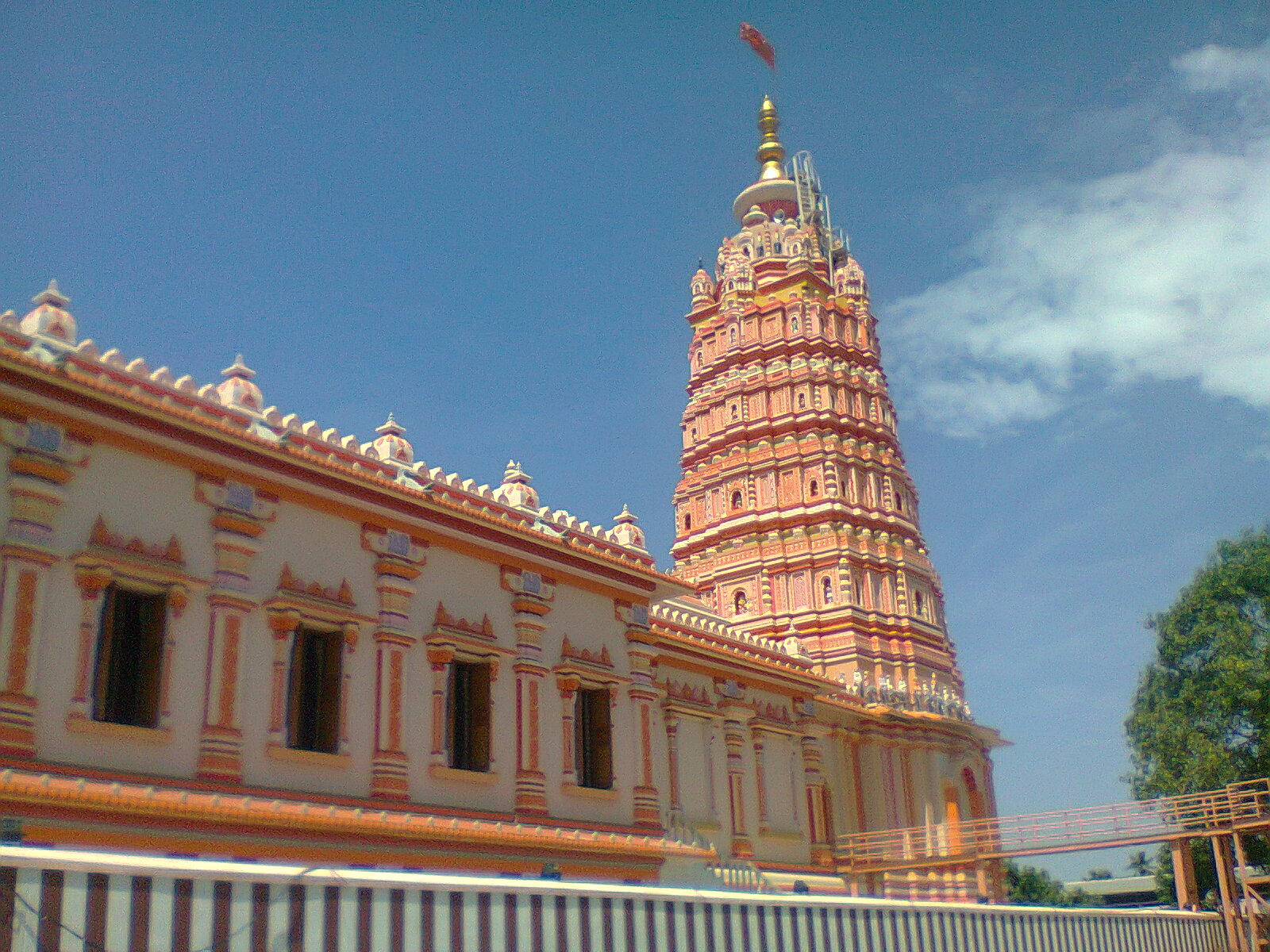
Uppilliappan, also known as the older brother of Tirumala Balaji, has a temple close to Kumbhakonam. I decided to visit it one evening. As an apt conclusion to my day, Mammi had asked me to come over on my way back to listen to her student’s class on Ashtapaadi. Ashtapaadi is the Tamil version of the recitation of the Geeta Govindam (GG). A devotional poem written by the Odishan poet Jayadeva, GG is a story about Krishna’s love and separation from his lover Radha. My professor at the University of Hawaii recently published a ClaySanskrit edition of the translation, a much needed one. Prof.Lee Siegel’s exposure to Sanskrit erotic literature and Vaishnava texts made him an ideal choice for translating this piece. Needless to say, I was quite excited to join Mammi’s class and hear the singing of the GG in verse format, along one other student and her six year old cousin. While Mammi began to sing, Hema her student followed suit. As the song reverberated through her home, I realized how much I could pick up from my three-years of Sanskrit training. Written in simple Sanskrit, this edition was an abridged piece published by the new Vishnu temple in Govindapuram (near Kumbhakonam). Hema’s cousin sister joined in too.

The young girl’s body posture signified her boredom but her lips continued to chant the verses unconsciously, signifying she had been in many such situations and picked up quite a bit of the text aurally.

After the class Mammi asked me to come over for lessons the next afternoon as well. Hema was going to join in. When I returned the next day, Mammi had a text in Sanskrit for me too so that I could join in. It was an honor to be able to learn from her and I will carry that memory with me forever. When we finished that day Mammi decided to tell me a little story about her own recitation of the GG during her visit to the Jagannath Rathyatra. My own visit to Odisha had provoked this conversation. Mammi then proceeded to tell me two stories about devotion:

In the olden times, there was a devoted Vaishnavite who had spent his days going to temple every evening. He used to pray to Vishnu and donated a lot of money to the temple as well. Much later in his adult life after performing a lot of puja this devotee was finally able to behold Krishna. When he did, he asked the lord, “Why don’t you ever come to see me? I wait for you every evening and I have selflessly devoted to your cause and yet you don’t come to see me.” To that request Krishna responded, “Oh foolish devotee, I came to you and yet you didn’t recognize me. I came to you three times and you paid no heed to me. First I came as a dog and you chased me away. Next I came as a cow and you shoved me aside. Lastly I came as a beggar and you shunned me. It is not I who didn’t come to see you; it is you who chose not to see me!”
Mammi was deeply moved by this narration. She then continued to tell me her own story. As we had recognized in class that afternoon, every major verse of the GG ended with a benediction to Krishna and Jayadeva, citing him as the eternal devotional poet.

Late into the evening on the eve of the Rathyatra Mammi was standing beside the inner sanctum singing her Ashtapaadi. The verses of the GG are engraved on the walls surrounding the shrine of the Odishan temple and Mammi was following along with them. However since she was only familiar with the Tamil version she had continued to add her verses on the benediction to Jayadeva at the very end of each stanza, even though it was not in the inscriptions. However as she reached the last verse, she decided to follow the engraved verses and stopped where the inscriptions did. Suddenly she heard a voice in Hindi command her, “Sing the last stanza! You missed the one to Jayadeva!” As she turned to see where the voice came from, she noticed a beggar mendicant sitting beside the wall watching her motioning her to continue. Mammi said, “It was then that I realized it was no beggar but Krishna himself who was commanding me to finish the appropriate conclusion to the song. Even now when I think of that moment, my hair stands up. I know what I experienced that day was different and the Lord had come in the form of the beggar to see me.” While Mamma candidly refuted her theory, Mammi seemed tightlipped and convinced.

There are experiences such as Mammi’s encounter that evening in the Jagannath temple, which validate one’s belief in the divine. Hinduism per se doesn’t require an open or a vocal profession of one’s faith. Most Indian’s will tell you that you are born a Hindu because your parents are Hindu. However, stories like these do signal to a type of faith that exists in Hinduism too, through experiencing something out of the ordinary and validating one’s existence in relation to the divine.
Vowing and Showing

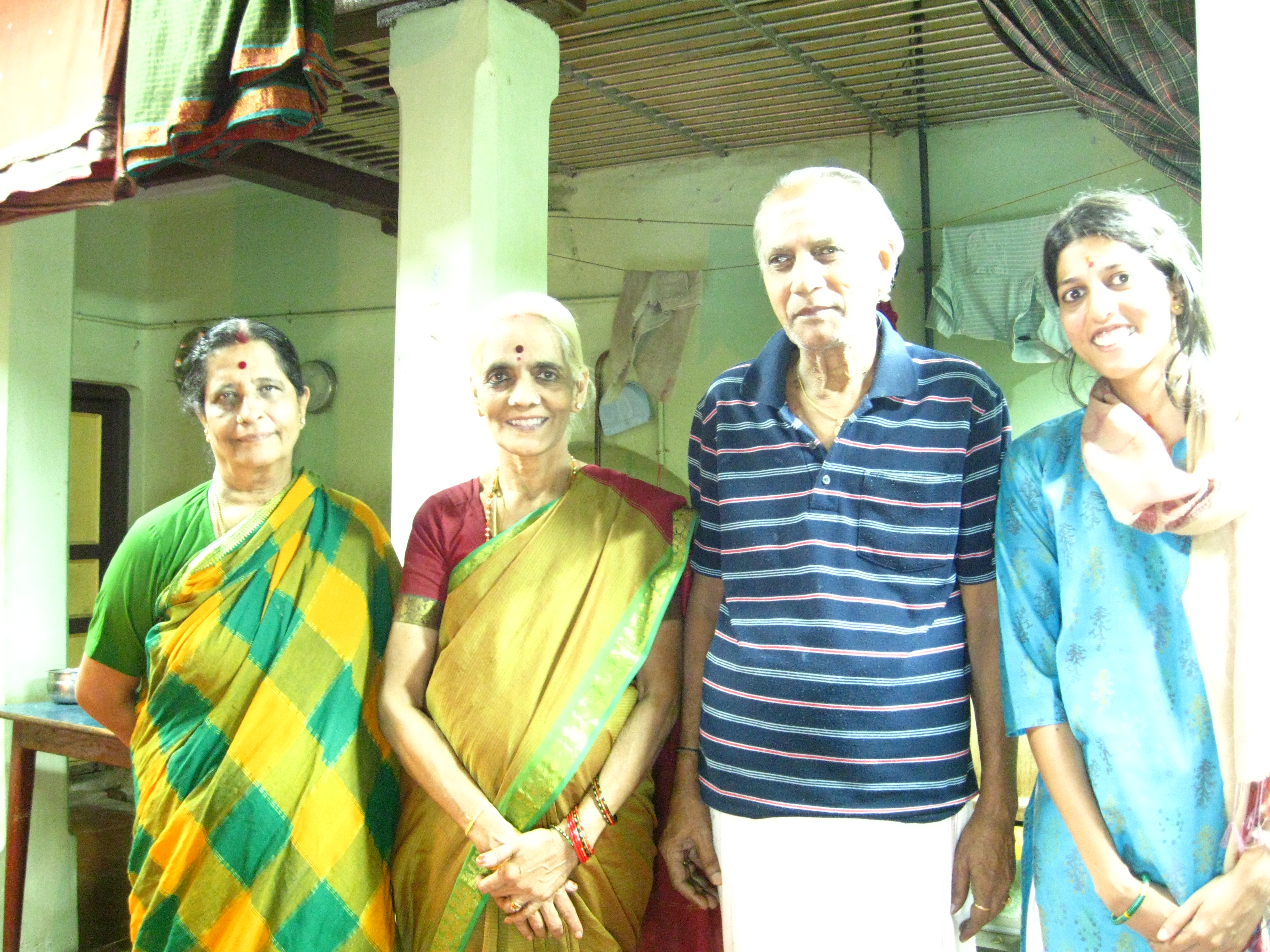
Among the many friends I made in Kumbhakonam, one home in the agraharam of the area stood out. Devoted primarily to Vishnu and still active devotional singers in local temples, Mamma and Mammi, a seventy year old couple, eagerly invited me into their homes and lives. I had been referred to them by a distant cousin in Chennai, when I asked if I could meet older women who perform Bommai Golu. Kumbhakonam will be a hotspot for my research of Golu as everyone I spoke to knew of the ritual and even the local temple hosts a large festival during Navarathiri which houses several hundred year old dolls, collected by the temple and its preceding officers.

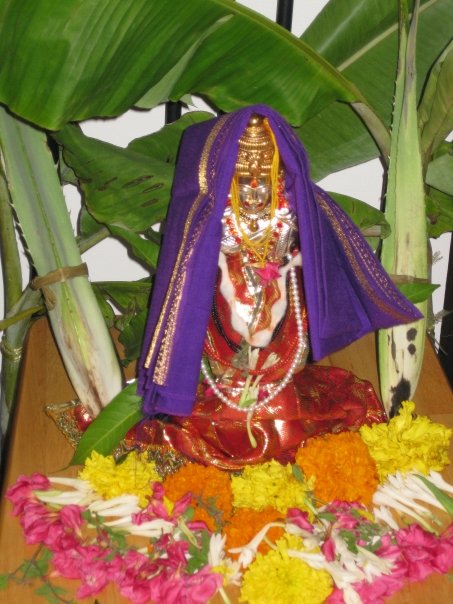
Mammi is a great cook, a ritual specialist, and in the few days I spent with her, I was able to witness her varalakshmi nonbu –  a vrattam or vow ritual performed by women in the home to the Goddess Lakshmi. A colleague of mine in Atlanta who studies vowing rituals of Muslim women will find my experience fodder for contrasting with her own work. Varalakshmi nonbu is not only about the puja(worship) and the accompanying shlokas (chanting of Sanskrit verses), but it is also about the community of women who gather and sing to the goddess during the evening of the celebration. Visiting each other’s homes, much like they do on the nine days of Golu, to see each other’s decorated goddess image, mothers and their daughters take great pains to ensure that everything is conducted appropriately. The night before the goddess’ image is placed in the rice sack of the home. The morning of the puja, the woman performing the vow wakes up to wear her madi saree (ritually pure saree only work on ritual days) and begins her decoration of the altar space with specially knotted leaves and finishes by adorning Lakshmi with a new paavadai (stitched saree) and jewels. Satisfied with her adornment the woman then proceeds to read the vow shlokas from a ritual manual. In earlier times Brahmin priests visited homes to perform this function but today each woman performs this in her domestic space, by herself, and for immediate family. In the evening the celebrations really begin. Women sing to Lakshmi, exchange gossip, and gape at one another’s adornment of Lakshmi. Each woman tells the other when the celebrations will be in her home so that their timings don’t overlap. The householder offers each guest betel leaves, turmeric and betel nuts along with sandal paste and vermillion, and a piece of blouse cloth or a comb with a mirror, and a small donation. Sundal/ sprouted dal tossed in shredded coconut will also be served in every home.

That evening after they sang their songs, the women’s conversation slowly drifted to Mammi’s adornment of Lakshmi.  One aunty praised her usage of tiny threads and a supporting stick to hold up the paavadai that made it look like Lakshmi’s skirt billowed out around her. Another commented on someone’s innovative use of placing the wick precisely into the puja lamp so that it stayed lit longer. Several young girls had also accompanied their mother for the celebrations that evening. They took in this information too, however unconsciously, adding to their understanding of an efficacious puja. Mammi had learned in the same way too, attending varalakshmi nonbu’s in neighboring homes as a young girl. Spending varalakshmi nonbu with Mammi and her friends I realized that these occasions of vowing were not solitary acts. Usually vowing rituals are understood as an individual act – where the petitioner makes a pledge or takes a vow on behalf of her children, husband or brother and then proceeds to perform worship, recite prayers, fast, etc. and usually completes the vow with a marker/ signifier of having accomplished the vow. While the solitary functions of the vowing ritual of varalakshmi nonbu still hold true, the congeniality shared among the group of women in the exchanges that occur after the puja say something more. Vowing also serves a social function wherein women discuss and display their performance of puja, sharing cultural information on the efficacy of the ritual.

Landscaping Cholanagaram

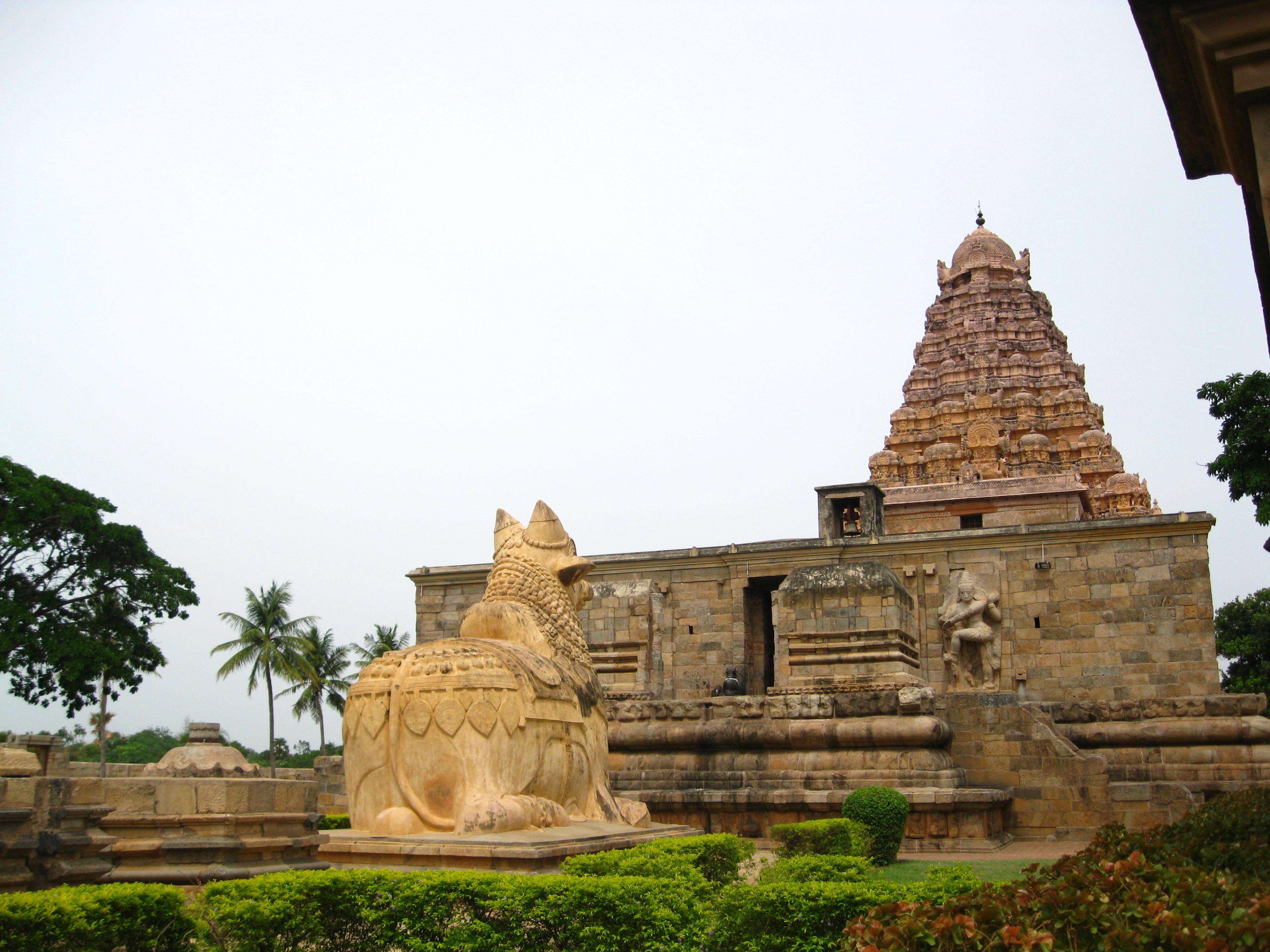
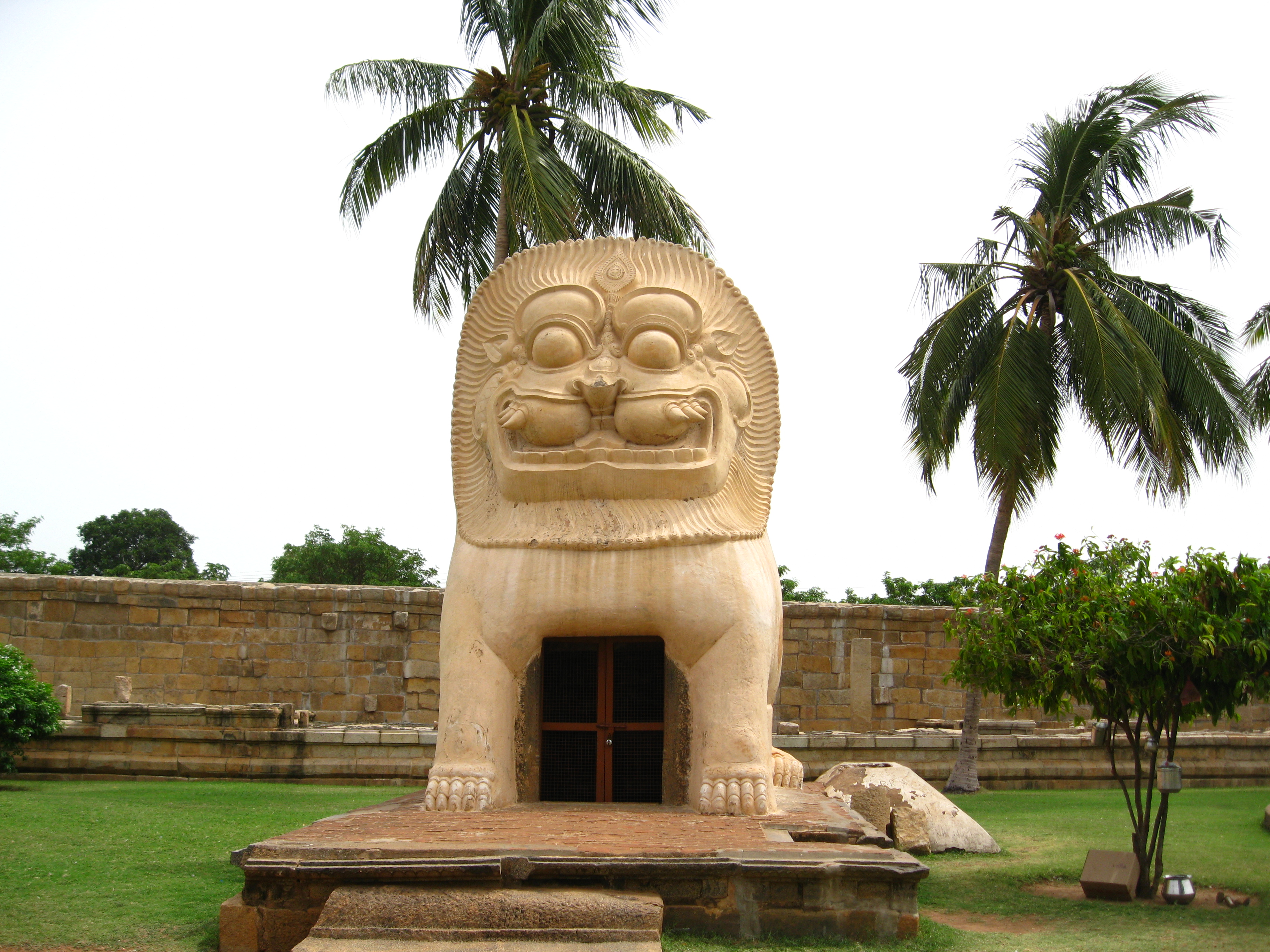
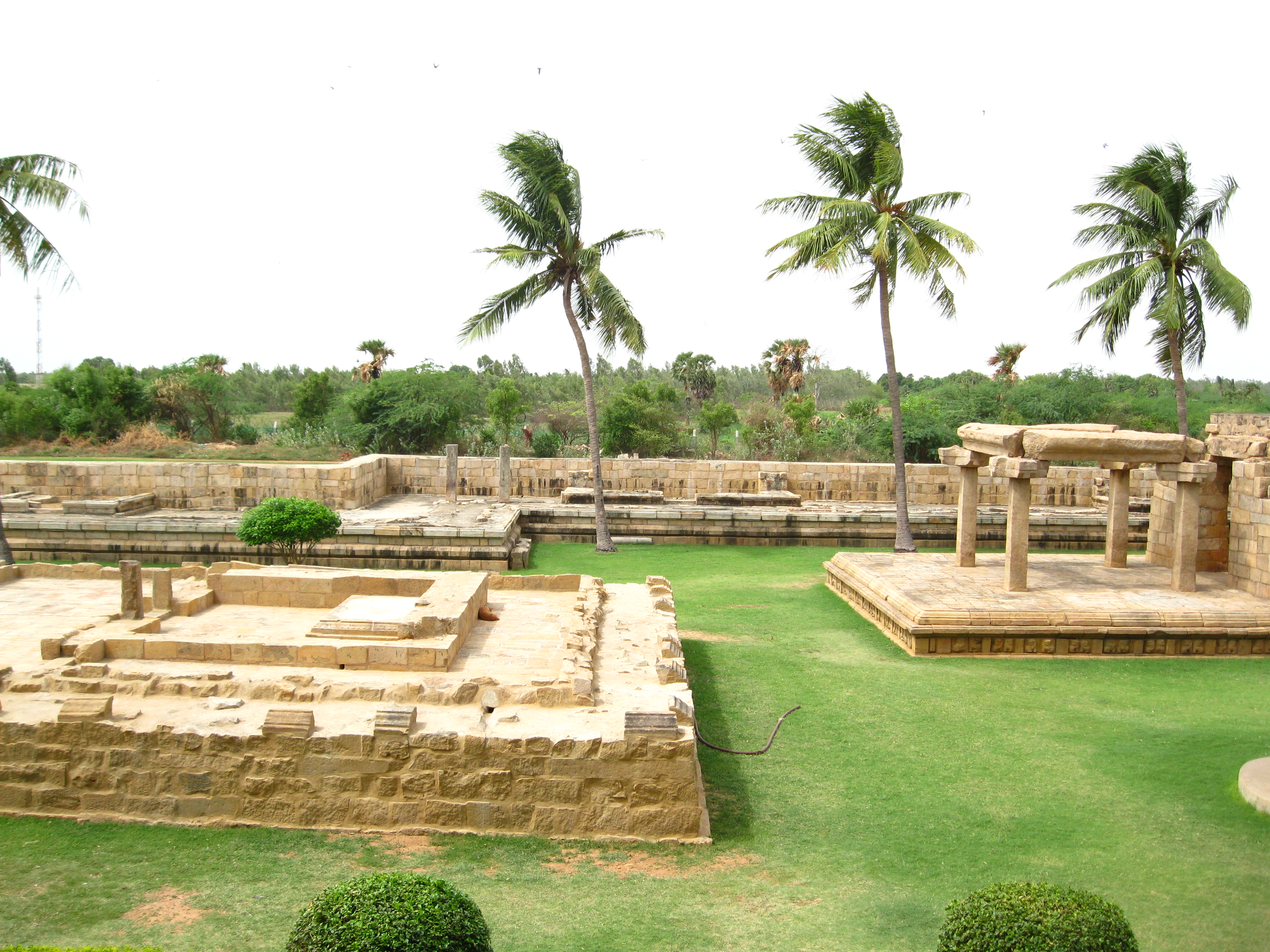
This trip I have had the opportunity to see all three generations of colossal constructions by the Cholas. The oldest is the Brihadeeshwara Thanjvaur temple (Raja Raja I –9- 10th Century) and the next is the Gangakondacholapuram (GKC) temple (Rajendra I Chola- 10-11th Century) and the last is the Airateshwara temple (Raja Raja II Chola -11-12th century). The latter two are accessible from Kumbhakonam. For its exquisite architecture and historical importance, both Airateshwara and GKC temples remained fairly empty and silent. With well maintained gardens, free from the hassle of beggars, guides and touts, or even greedy priests, both were a calm and tranquil space, quite contrary to most popular temples, as I noted in an earlier post where entering the temple is tiring and tiered. The Airateshwara (white elephant) temple is located in the village of Darasuram about 5km from Kumbhakonam. A large imposing temple tower looking exactly like the Brihadeeshwara temple stands out amid the surrounding dusty and hot rice farming village. In Darasuram, also reside silk weaving families, who make sarees in their homes right next door to the temple. Though this temple is landscaped too, the actual area of the temple complex is much smaller than GKC or Brihadeeshwara. GKC had a sprawling complex but the shrines were quite similar. Moreover in all the temples you will find large Nandi statues, at least 25 feet tall facing the inner sanctum. In GKC there is also an added feature, a separate Simhan/ Lion statue about 15 feet tall that I was told used to pour water from the Ganges and Yamuna from its’ lips. Today the lion is dry obviously. However throughout GKC’s complex an interesting point to note was the abundance of wells. Containing mostly murky/ algae ridden water, there were four smaller wells and one large well in the complex. I would have to ask around more about the wells.

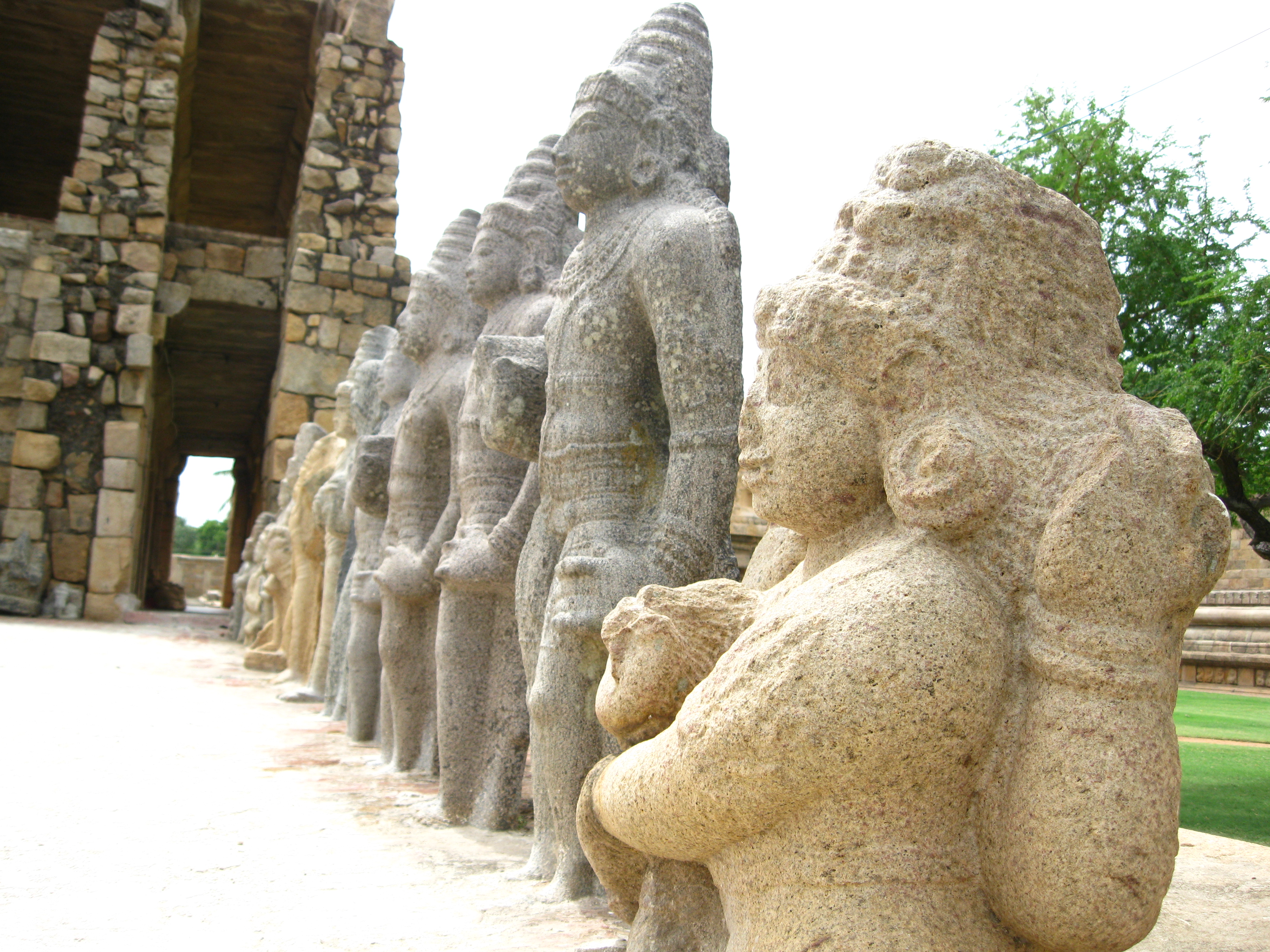
So why are these two temples less frequented by visitors? The only guests were about five Caucasian travelers and about two Indian families. Contrasting my very chaotic, sweaty, waits in long lines at other popular temples, there was an air of tranquility here, a peaceful silence. I spent an hour just sitting and watching time fly by in both temples and remained undisturbed. On two annual full moon days the celebrations are rather gala I was told but otherwise guests are sparse. The temples also provide a storehouse of valuable epigraphic information and its’ sculptures still necessitate further study. An avid Tamil research blogger (Poetry in Stone) has commented on the uniqueness of the Shiva images around the temple walls. For those interested Alice Boner and Stella Kramrisch are the two famous art historians who have documented some of the sculptures in all these temples. A thorough study on the GKC and Airateshwara temples have not been conducted in English as more emphasis has been given to the foremost temple of Brihadeeshwara.  It would also be quite interesting to juxtapose the quiet, peaceful space of a historical heritage site to the chaotic bustling nature of a regularly visited temple like Tirumala Balaji. The temples would also be in contrast to their original setting, during the reign of the Cholas, when they were bustling with entertainment and pujas. Converting a temple into a heritage site may have even transformed people’s beliefs on the efficacy of the sacredness of this shrine and that also requires further elucidation.