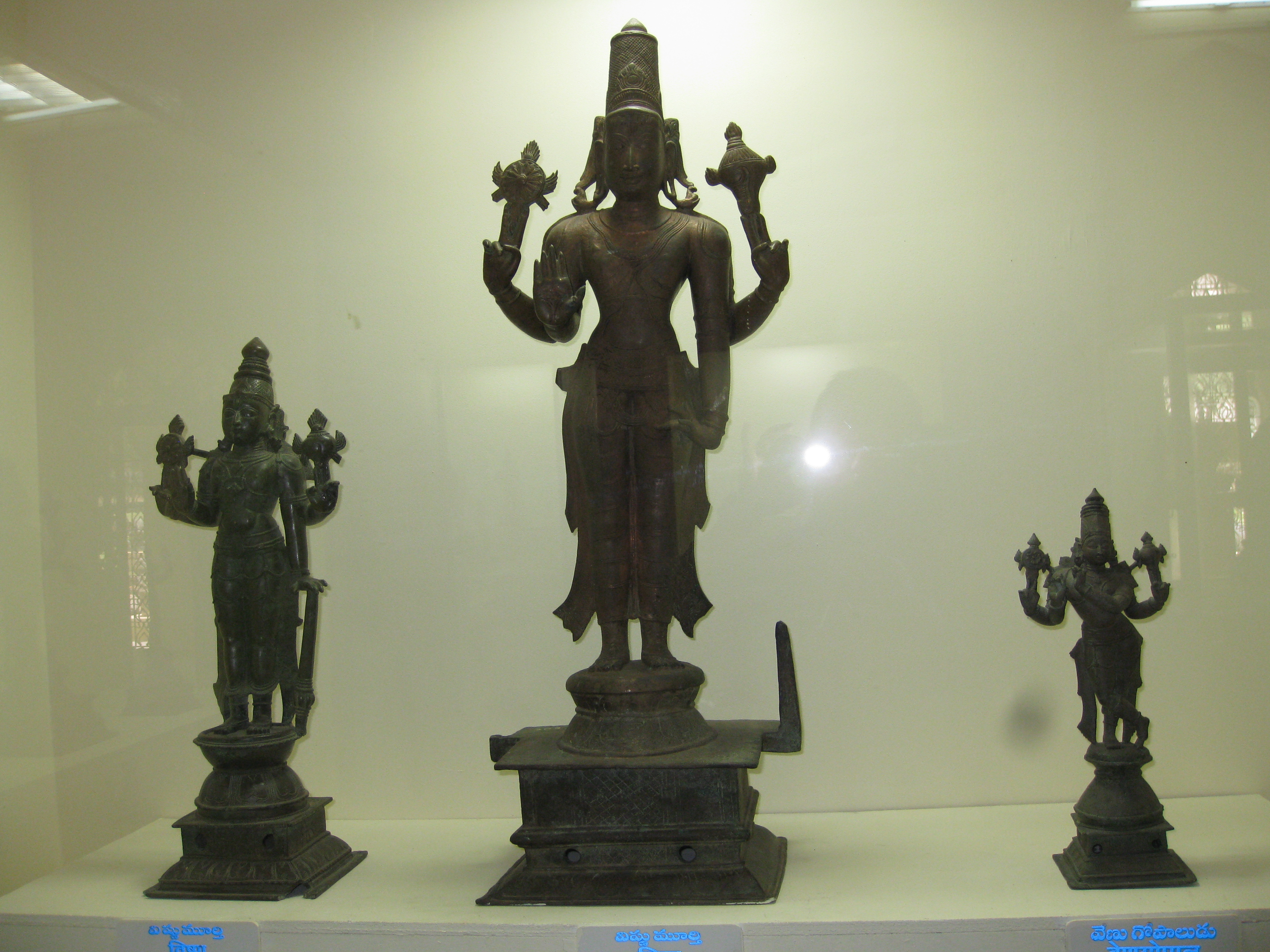
 The English words: manufacturing/ creating/ producing/ cultivating’; whose meanings have denigrated in recent years, have come to indicate a methodical, or systematic abundance of goods and services. Moreover, the plethora of materials of a variety of materials, have caused images to be produced in new forms, shapes and colors. Though my ultimate focus is on religious porull-gal (objects), many other porull have also morphed, making modernity and its’ discontents visible. Take for example the common electrical fuse carrier in all well-constructed Indian homes built from 1979-1990. These boxes, made of porcelain, were built to last – a recent visit to the Indian Electric Office will inform you that the old porcelain boxes “are forever” – lasting many fluctuations, power surges unlike modern, cheaply made fuse boxes. However, porcelain has become a scarce commodity in India in recent years. There are no shocking reasons but rather the global flux and flow of importing commodities into India versus ubiquitous materials invented in recent years. Iron, Brass and Porcelain were imported by India and now they are too expensive for the rising population and production projections and thus plastic, plaster, mixed metals, and ceramic. Another example is the good old fountain pen. In my grandfather and father’s time too, pens were made to last. A single fountain pen, awarded as a gift for an important occasion – getting his first job/ getting married/ buying his first house; these pens were cherished, handed down from father to son and were “built to last”. A final example is the famous wristwatch – a scarce commodity today where cellphones have replaced any and every personal commodity – the hand watch was also passed on for generations, made with porcelain parts and made to last forever. The reason I say that porull have made modernity’s discontents visible, is because I recognize the fundamental change, a ‘use and throw generation’ have come to view every possession they own. Every pen is replaceable, so is every watch, even laptops don’t last more than a few years. An alteration of the view of materiality have forced post-modernists like Jacques Lacan and Slavoj Zizek preclude that “objet petit a,” infact, is self-created, malleable, and indicative of our psychological and social existence. Building upon their deconstructive methods, many ritual theorists and linguists too have suggested a myriad of ways to view how objects inform and shape religious practices, the space they hold, and the social functions they serve. What is most relevant to my study of religion is how this rapidly evolving materiality interacts with a Hindu worldview surrounding porullgal. Upon my immediate observations from this trip Indians and Hindus have simply replaced one material with the other. The Indian Electric Co. employees, though they complain of the poor quality, are still forced to implement the cheapest available material for their task. Wood doll makers in Andhra Pradesh have fluidly moved from using Red Sandalwood (banned since 1998) and replaced it with local neem and raagi tree wood. Recently brass image makers of the image of Lord Rama, have also started using mixed metals for low level retailers and reserved their original brass for only the highest bidders. From the makers/ creators/ producers/ manufacturers’ perspectives, the material is not easily replaceable but needs to be because their economy and livelihood is at stake. The material has changed but their relationship to that material – one that is inherently situated in their existence as a community of doll makers – never changes. The take home point from my conversations with them is that no material is inherently impure or unfit for use. Moreover, the medium and its’ treatment is highly relevant; especially because in Hinduism, (and as I noted in an earlier post), materiality forms part and parcel of the devotees perception of god.
 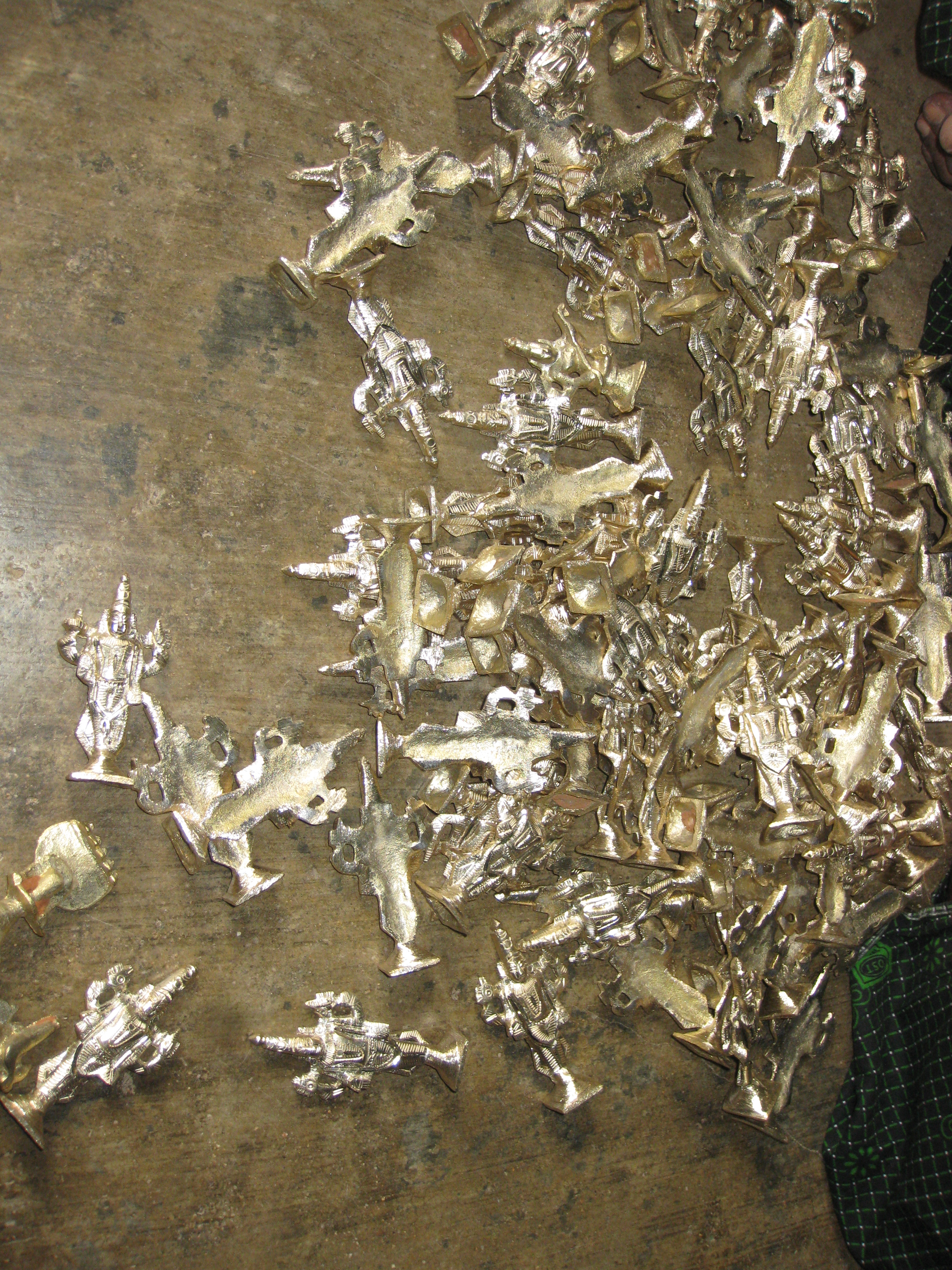 As the vayu linga is a manifestation of the wind form of Shiva, and the alum (spatika) linga is the crystallization of years of history upon a single point of impurity sedimentation in a cave, so too Hindus are indicating to something unique about nature of the relationship between human and divine as conveyed through a relationship to materiality. This relationship becomes especially evident in my modern analysis of the easily replaceable material manifestations of god. While the plaster Ganesh or the mixed metal image of Rama may look tacky, not display worthy, and even may have several imperfections unthinkable in a Bronze/brass cast, these images are still usable in the same way, treated in the same way by doll makers and doll consumers. While the 21st century internet generations have quickly adapted to largely intangible objects (represented through Kbs/ MBs), devotees too have merely up-graded to smart-er technology, cheaper material softwares, and efficient processors for devotion.

 bommalāttum