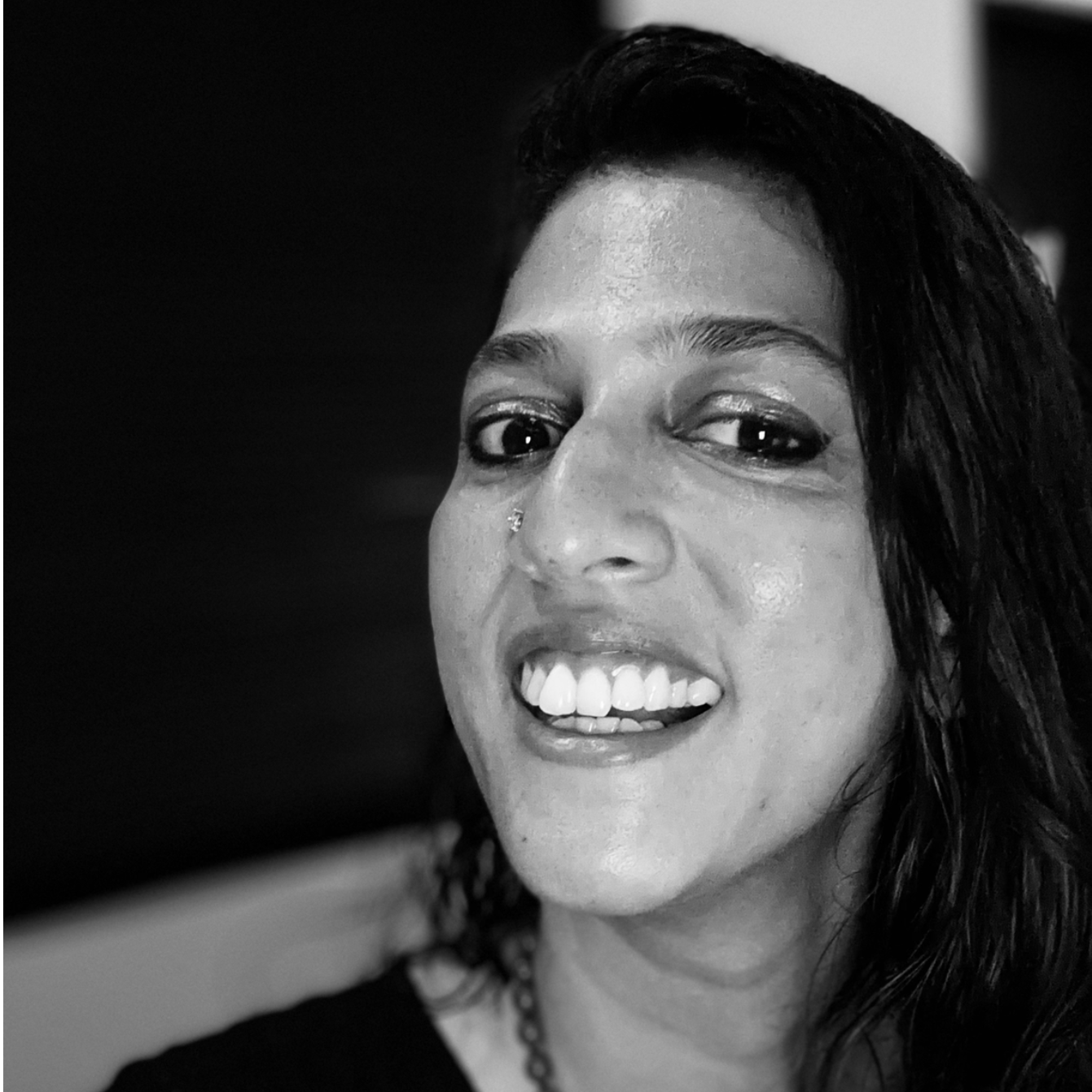
There are two professions for which you cannot have a weak heart. One is a surgery and the other is ethnography. In my travel over 80 km in different directions in search of doll makers, I thought what I was going to find were happy faces, cheerful artisans, a thriving village. Instead I found a struggling economy with cheated and hurt sculptors. This is why I say you cannot have a weak heart while performing ethnography. I left with a heavy heart that day, but I did leave inspired, to tell a story that not everyone knows about.
As I said earlier the search to find these doll makers was the hardest part. The doll sellers didn’t want to tell me and eventually I found most of my contacts from asking the first set of doll makers themselves. Ethnography is about keeping secrets and revealing only some.
The man you see is about 72 years old and has been making dolls since he was 10 years old. His 75 year old elder brother (who lives next door) taught him how to make images of gods and people using no pictures, just measurements from the Shilpa Shastras (Sanskrit text for sculpting procedures for shilpin “artists”) and from memory. Following his tozhil (“livelihood”) as a defining practice in his life, Thatha achari, a Brahmin doll maker spent his afternoon sharing his technique with me. Made of light and malleable wood, Thatha achari is known for his ability to make “pattabhishekam” – an auspicious image of Lord Rama from the Ramayana. But his skill doesn’t financially support him any longer. He told me of the very same shopkeeper (the one from the street beside the Vishnu Temple who had denied me contacts). He said, “They just come one day, show up suddenly, ask to see how much work I have done i.e. how many pattabhishekam images I have. They take everything we have made till then and give my older brother money for it.” Thatha achari has five children, all of whom decided not to learn his craft. His wife is no longer alive and he still lives in his home, a home built by his grandfather, where his father passed away when he just 2 years old. It took a village to raise him and his village of doll makers raised him to be the best artisan for pattabhishekam Rama.
This little village is also located at an interesting junction. A little road down from the paddy fields that line the highway, Thatha achari’s neighborhood is to the left hand side of the road marker by a little Rama temple. To the right hand side of the road lies a Muslim neighborhood and it too is denoted by a little Muslim shrine. The next village I visited was also similarly multi-religious. Unlike the large urban cities of India, especially Bombay where Hindus and Muslims have been unable to peacefully coexist in the same neighborhood, the two villages I visited housed Christian, Hindu, and Muslim residents. They had their own shrines and they all lived side by side.
Maybe I am sounding too idealistic again. If the Hindus and Muslims are getting along here, there are other problems this village faced. Their crafts and resources are being exploited and the Indian Government is allowing it to happen. The acharis are also holding out for a hero. Their craft is also being forgotten amidst modernization or lucrative professions. Their own children aren’t choosing to learn this craft. However no machine can make these dolls.
In the US artists struggle financially too but there is a sense of autonomy and recognition for their skills and talent. Each of Thatha acharis’ pattabishekam images is not the same and yet they are all treated like products on an assembly line. 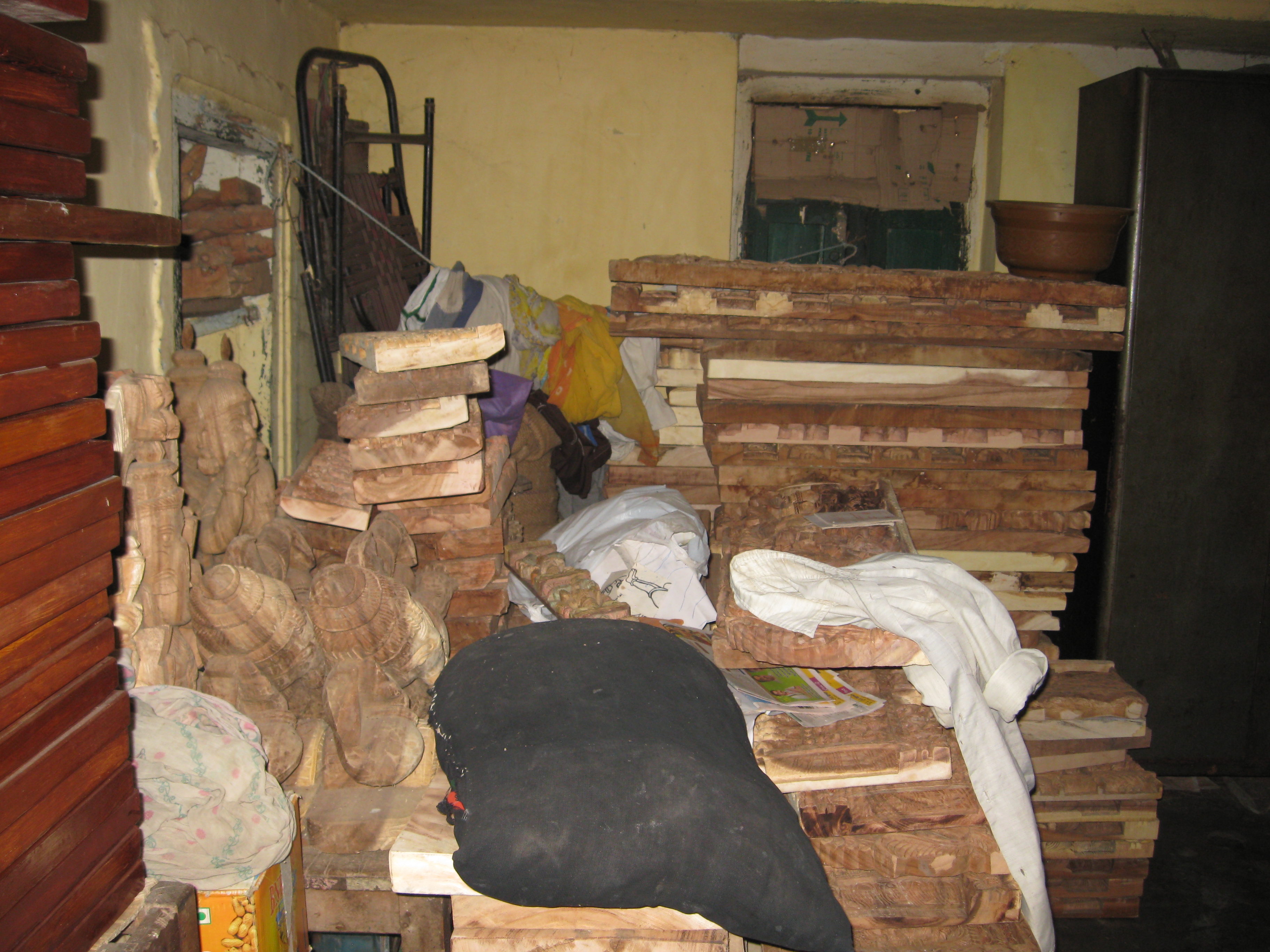 Like an artist can never draw the same painting twice, each piece is unique. However the market treats every piece the same, like bars of soap, these dolls are also tied together and bundled and herded out of these villages. Where the dolls regain their true individuality is in the homes where they are displayed, through the treatment of these dolls within the homes of men, women and their children. The festival commemoration and display for Bommai Golu challenges this assembly line production, regaining in essence the notion that each piece is unique and not like the other.
 bommalāttum
Displaying our choices « bommalāttum